
What Is The Oil Filter & When Should I Replace It?
Oil filters play a crucial role in maintaining the health of your vehicle’s engine. An oil filter’s efficiency directly impacts engine performance. When oil is contaminated with impurities, its lubricating properties are compromised, leading to increased friction and wear. To function properly, the engine needs efficient oil filtration to stay in peak condition. In this article were going to go over what the oil filter is, how it works, and when you should replace it.
How Does The Oil Filter Work?
The oil filter cleans the engine oil as it circulates through the engine’s components. This process is vital because clean oil ensures smooth and efficient operation, reduces wear and tear, and prevents the buildup of harmful deposits.
Types of Oil Filters
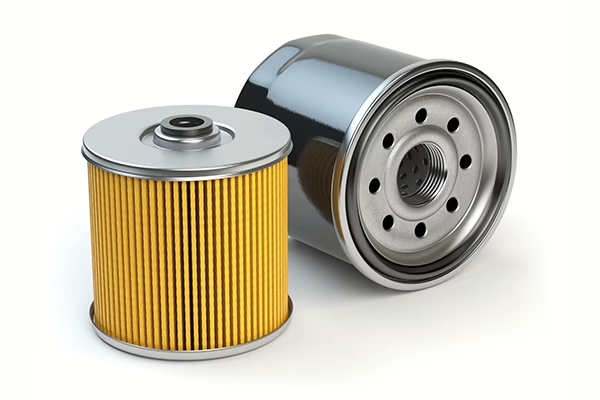
Spin-On Oil Filters
One of the most common types, spin-on oil filters are user-friendly and easy to replace. Featuring a self-contained canister that spins on and off the engine block, they are popular among DIY enthusiasts. The convenience they offer, coupled with their efficient filtration capabilities, makes them a go-to choice for many vehicle owners. However, they’re slowly being phased out because they’re less environmentally conscious.
Cartridge Oil Filters
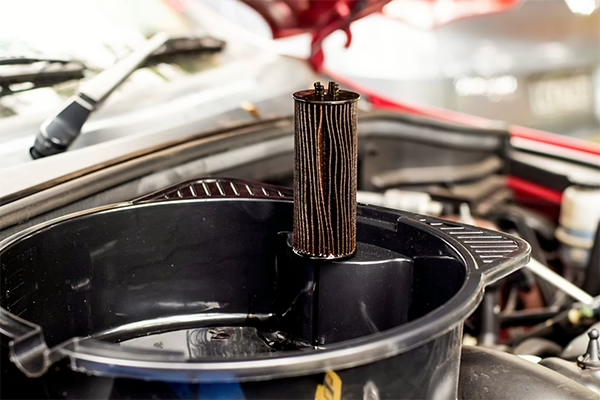
Cartridge oil filters, on the other hand, consist of a replaceable filter element housed in a permanent housing. These filters are often more environmentally friendly as only the filter element needs replacement. They are commonly found in modern engines, providing efficient filtration and reducing waste, and they’re accessed under the hood.
Magnetic Oil Filters
Magnetic oil filters use magnets to attract and capture metallic particles in the oil. These filters are particularly effective at trapping small metal debris that may be produced by engine components. While not a standalone solution, magnetic filters complement other types, enhancing overall filtration efficiency.
Centrifugal Oil Filters
Centrifugal oil filters use centrifugal force to separate contaminants from the oil. The spinning motion forces heavier particles to the outer edge of the filter, where they can be easily removed. This type of filter is seldom found in applications outside of high-performance and racing engines, providing effective filtration under extreme conditions.
When To Repalce Your Oil Filter
Knowing when to replace your oil filter is crucial for maintaining engine health. Keep an eye out for warning signs such as engine noise, reduced fuel efficiency, or unusual noises. Typically, when your oil change is due, change the filter at the same time. Additionally, some vehicles are equipped with oil filter monitoring systems that signal when it’s time for a replacement, which should always be addressed.
Choosing not to replace an old or clogged oil filter can have severe consequences for your engine. Reduced oil flow, increased friction, and inadequate lubrication can lead to engine overheating, decreased performance, and, ultimately, engine failure.
Filter Replacement Services In Naperville
If it’s time for your oil and filter change, bring your car to Becker Service Center in Naperville, Illinois! Our ASE-certified technicians will provide you with high-quality service at an affordable price. Whether your vehicle is 3 years old or 30, Becker can ensure your engine is lubricated correctly. You can leave our shop with the peace of mind that your vehicle is ready for another full oil service interval. Schedule an appointment today!